
Zepbound Side Effects by Dose: How Long They Last, Risks, and Relief
The side effects listed in the 08/2026 Zepbound FDA label, with rates at 5, 10 and 15 mg, a dose-step timeline, differences in females and males, and signs that need a doctor.


Zepbound side effects are mostly digestive. In the pooled trials in the Zepbound (tirzepatide) FDA label, revised August 2026, nausea affected 25% to 29% of people, diarrhea 19% to 23%, constipation 11% to 17%, and vomiting 8% to 13%, compared with 2% to 8% on placebo. These symptoms usually start in the first weeks or after a dose increase, and most nausea, vomiting, and diarrhea decreased over time.
This guide covers the common and serious side effects in the current FDA label, with real numbers instead of vague lists. You will learn:
- Which side effects are common, and how often each one happens at 5 mg, 10 mg, and 15 mg
- When side effects start, how long they last, and why dose increases matter
- What 62,583 FDA adverse event reports reveal, including differences between women and men
- Which warning signs need a call to your doctor or a trip to the ER
- Practical, food-first steps that make the first months easier
Quick answer: Zepbound (tirzepatide) is a once-weekly injection made by Eli Lilly. The FDA approved it for weight management in November 2023 and for obstructive sleep apnea in adults with obesity in December 2024. The most common side effects are nausea, diarrhea, vomiting, constipation, stomach pain, indigestion, injection site reactions, fatigue, allergic reactions, burping, hair loss, and heartburn. Serious but rare risks include pancreatitis, gallbladder disease, kidney injury from dehydration, and a boxed warning for thyroid C-cell tumors.
Table of Contents
- Zepbound Side Effects at a Glance
- Most Common Zepbound Side Effects
- When Do Zepbound Side Effects Start and How Long Do They Last
- Zepbound Side Effects by Dose
- Stomach and Digestive Side Effects
- Other Common Side Effects
- Zepbound Side Effects in Females and Males
- What FDA Adverse Event Reports Show About Zepbound Side Effects
- Serious Side Effects and Warnings
- When to Call Your Doctor
- Long-Term Side Effects and Stopping Zepbound
- How to Reduce Zepbound Side Effects
- Zepbound vs Wegovy, Ozempic, and Mounjaro Side Effects
- What Not to Do on Zepbound
- The Bottom Line
- Frequently Asked Questions
Zepbound Side Effects at a Glance
Zepbound contains tirzepatide, the same active ingredient as Mounjaro. It activates two gut hormone receptors, GIP and GLP-1. That dual action slows stomach emptying and reduces appetite, which explains most of its side effects. Some people also notice fewer intrusive thoughts about food, often called food noise.
Here is the short version of what the FDA label shows:
- Stomach side effects are common. 56% of people on Zepbound had at least one digestive side effect in the pooled trials, vs 30% on placebo.
- Most people stay on the drug. Only 4.8% to 6.7% stopped Zepbound because of any side effect, compared with 3.4% on placebo.
- Severe stomach reactions are uncommon. They affected 1.7% to 3.1% of people on Zepbound, vs 1% on placebo.
- Timing matters. Most nausea, vomiting, and diarrhea happened during dose escalation and decreased over time.
Zepbound is one of several GLP-1 medicines. For a side-by-side overview of every option, see our GLP-1 medications list.
Most Common Zepbound Side Effects
Nausea is the most common Zepbound side effect, followed by diarrhea, constipation, and vomiting. The table shows every side effect reported by at least 2% of people on Zepbound, and more often than on placebo, in the SURMOUNT-1 (adults without diabetes) and SURMOUNT-2 (adults with type 2 diabetes) trials summarized in the FDA label.
| Side effect | Placebo | 5 mg | 10 mg | 15 mg |
|---|---|---|---|---|
| Nausea | 8% | 25% | 29% | 28% |
| Diarrhea | 8% | 19% | 21% | 23% |
| Vomiting | 2% | 8% | 11% | 13% |
| Constipation | 5% | 17% | 14% | 11% |
| Abdominal pain | 5% | 9% | 9% | 10% |
| Indigestion (dyspepsia) | 4% | 9% | 9% | 10% |
| Injection site reactions | 2% | 6% | 8% | 8% |
| Fatigue | 3% | 5% | 6% | 7% |
| Allergic (hypersensitivity) reactions | 3% | 5% | 5% | 5% |
| Burping (eructation) | 1% | 4% | 5% | 5% |
| Hair loss | 1% | 5% | 4% | 5% |
| Heartburn (GERD) | 2% | 4% | 4% | 5% |
| Gas (flatulence) | 2% | 3% | 3% | 4% |
| Bloating (abdominal distension) | 2% | 3% | 3% | 4% |
| Dizziness | 2% | 4% | 5% | 4% |
| Low blood pressure | 0% | 1% | 1% | 2% |
Source: Zepbound Prescribing Information, section 6.1, Table 1, revised 08/2026.
Two patterns stand out. First, vomiting and diarrhea rose step by step with dose, while nausea rose from 5 mg to 10 mg and then held steady at 15 mg (29% vs 28%). Second, constipation behaves differently: it was most common at 5 mg (17%) and least common at 15 mg (11%). The 5 mg column comes only from SURMOUNT-1 (people without diabetes), so treat dose comparisons as approximate.
Keep the placebo column in mind. Some people on placebo also reported nausea (8%) and diarrhea (8%). The true drug effect is the gap between the two columns.
When Do Zepbound Side Effects Start and How Long Do They Last
Zepbound side effects usually start within the first weeks of treatment. They often return briefly after each dose increase. The label states that most nausea, vomiting, and diarrhea occurred during dose escalation and decreased over time.
When do you feel sick after a Zepbound shot?
Tirzepatide reaches its highest blood level about 24 hours after an injection, with a range of 8 to 72 hours. Its half-life is roughly 5 days, so levels fall slowly across the week.
Some people describe the strongest fullness or nausea in the first day or two after a shot, with milder days toward the end of the week. The label and the main trial reports do not describe a day-by-day pattern, so treat this as a common report rather than a rule, and use a simple symptom log to learn yours.
What happens across the first 20 weeks
The label recommends this starting schedule:
- Weeks 1 to 4: 2.5 mg once weekly. This starter dose helps your body adjust and is not a maintenance dose.
- Week 5 onward: 5 mg once weekly.
- After that, only if your prescriber decides: increases of 2.5 mg, each after at least 4 weeks on the current dose. Your prescriber may keep you at 5 mg or 10 mg if that dose works and you tolerate it.
- Maintenance: 5 mg, 10 mg, or 15 mg for weight management (10 mg or 15 mg for sleep apnea). The maximum dose is 15 mg.
Each step can bring a short wave of symptoms. Even at the fastest pace, 15 mg would start no earlier than week 21. In the 3-year SURMOUNT-1 follow-up of adults with obesity and prediabetes, stomach side effects were mostly mild to moderate and occurred primarily during the escalation period in the first 20 weeks. The researchers reported no new safety signals over the longer follow-up.
How long Zepbound side effects last
Most stomach side effects of Zepbound ease with time. According to the FDA label, most nausea, vomiting, and diarrhea happened during dose escalation and decreased over time. Neither the label nor the published trials give an exact number of days, so be cautious with websites that promise a set timeline.
Here is what the evidence does support:
- Symptoms cluster around the start of treatment and each dose increase
- New stomach side effects become less frequent the longer you stay on a stable dose
- In the SURMOUNT trials, people most often started anti-nausea and anti-diarrhea medicines in the first 24 weeks
If a side effect lasts for weeks, keeps you from eating or drinking, or gets worse, contact your prescriber. The label allows a lower maintenance dose if you cannot tolerate your current one. For more on the timeline for results, read how long it takes Zepbound to start working.

Illustration only. Each dose step lasts at least 4 weeks. Your prescriber decides if and when to increase, and maintenance can be 5 mg, 10 mg, or 15 mg.
Zepbound Side Effects by Dose
Higher doses brought more weight loss in trials, and somewhat more stomach side effects. Vomiting and diarrhea rose with each dose, while nausea leveled off above 10 mg:
- Nausea: 25% at 5 mg, 29% at 10 mg, 28% at 15 mg
- Vomiting: 8% at 5 mg, 11% at 10 mg, 13% at 15 mg
- Diarrhea: 19% at 5 mg, 21% at 10 mg, 23% at 15 mg
Stopping treatment because of side effects also rose with dose. It happened in 4.8% of people at 5 mg, 6.3% at 10 mg, and 6.7% at 15 mg. Stopping specifically for stomach side effects happened in 1.9%, 3.3%, and 4.3%, vs 0.5% on placebo.
Side effects of Zepbound 2.5 mg
The label has no separate side effect data for 2.5 mg, because it is used only for the first 4 weeks to start treatment. The label notes that Zepbound slows stomach emptying most after the first dose, so some people notice their first nausea or fullness at this dose.
Side effects of Zepbound 5 mg
5 mg is the lowest maintenance dose and has full trial data. In the label's pooled trials, people on 5 mg reported nausea (25%), diarrhea (19%), constipation (17%), indigestion (9%), stomach pain (9%), and vomiting (8%). Constipation was more common at 5 mg than at 10 mg or 15 mg. 4.8% stopped Zepbound 5 mg because of side effects, vs 3.4% on placebo.
Side effects of Zepbound 7.5 mg, 10 mg, and 12.5 mg
At 10 mg, nausea reached 29%, diarrhea 21%, constipation 14%, and vomiting 11%, and 6.3% stopped because of side effects. The label's trials did not test 7.5 mg or 12.5 mg as fixed doses, so there are no separate rates for them.
Side effects of Zepbound 15 mg
At 15 mg, vomiting (13%) and diarrhea (23%) reached their highest rates. Constipation, by contrast, fell to 11%. Every dose step and vial volume is in our tirzepatide dosage chart.
This guide never replaces your prescriber's dosing decisions. Only your care team can decide when to raise, hold, or lower your dose.
Stomach and Digestive Side Effects
Digestive symptoms make up most Zepbound side effects. Slower stomach emptying keeps food in your stomach longer. That helps you feel full, but it can also cause nausea, reflux, and bowel changes. Percentages in this section come from the FDA label (section 6.1) unless another source is named.
Nausea
Nausea affected 25% to 29% of people on Zepbound, vs 8% on placebo. It often feels like early fullness, queasiness after a large meal, or a sudden dislike of certain foods.
What helps, based on SURMOUNT trial protocols and the 2025 joint nutrition advisory from ACLM, ASN, OMA, and TOS:
- Eat smaller meals, and stop as soon as you feel full
- Split your usual three meals into 4 or more smaller ones
- Avoid fatty or high-fiber foods for the first few days after starting or raising your dose
- If nausea makes you skip meals, eat a small breakfast, then small meals every 3 to 4 hours, and drink enough fluids
- Try ginger or peppermint tea
- Ask your prescriber about anti-nausea medicine if these steps are not enough
Vomiting
Vomiting affected 8% to 13% of people on Zepbound, vs 2% on placebo. Large meals make it more likely. Repeated vomiting can dehydrate you, and dehydration can strain your kidneys. Call your prescriber if you cannot keep fluids down.
Diarrhea
Diarrhea affected 19% to 23% of people on Zepbound, vs 8% on placebo. The joint nutrition advisory notes that diarrhea appears more likely with tirzepatide than with some other GLP-1 drugs. Avoid large or high-fat meals, and replace lost fluids and electrolytes.
Constipation
Constipation affected 11% to 17% of people on Zepbound, vs 5% on placebo. Eating less food and drinking less water both play a role. The advisory recommends fluids and fiber from foods, and it mentions magnesium citrate and polyethylene glycol (PEG 3350) as options to discuss with a clinician.
Severe constipation matters. In 2026 the label added intestinal obstruction and severe constipation, including fecal impaction, to its postmarketing reports. Do not ignore days of no bowel movement combined with bloating, pain, or vomiting.
Sulfur burps, burping, and heartburn
Sulfur burps are burps that smell like rotten eggs. The FDA label does not count them separately, but it lists burping (eructation) in 4% to 5% of people on Zepbound vs 1% on placebo, and heartburn (GERD) in 4% to 5% vs 2%.
No trial has tested diet fixes for sulfur burps, so tips remain practical rather than proven. Common approaches include smaller meals, eating slowly, not lying down after meals, and noticing personal triggers. Alcohol can worsen reflux and nausea, according to the advisory.
Stomach pain, gas, and bloating
Abdominal pain affected 9% to 10%, gas 3% to 4%, and bloating 3% to 4% of people on Zepbound. Mild cramping after meals usually settles with smaller portions. Severe pain that does not go away is different: it can signal pancreatitis or gallbladder disease, covered in the serious side effects section below.
Other Common Side Effects
Not every Zepbound side effect involves your stomach. These show up in the label and in user reports. Percentages in this section come from the FDA label (section 6.1) unless another source is named.
Fatigue
Fatigue affected 5% to 7% of people on Zepbound, vs 3% on placebo. Eating much less, low protein intake, and dehydration can all add to tiredness.
Headache and dizziness
Dizziness affected 4% to 5% of people on Zepbound, vs 2% on placebo. Headache is not in the label's common side effect table. It appears in about 2% of FDA adverse event reports, which cannot show how often it actually happens. Dehydration and low food intake may contribute.
Low blood pressure affected 1.6% of people on Zepbound overall, vs 0.1% on placebo. If you take blood pressure medicine, tell your prescriber about dizziness when you stand up.
Injection site reactions
Injection site reactions affected 6% to 8% of people on Zepbound, vs 2% on placebo. They include redness, itching, bruising, and pain where you inject. Rotate sites across your abdomen and thighs. Use the back of the upper arm only if someone else gives the injection. Our page on Zepbound injection sites shows how to rotate correctly.
Hair loss
Hair loss affected 4% to 5% of people on Zepbound, vs 1% on placebo. The label links it to weight reduction, and no one on Zepbound stopped treatment because of it. Rapid weight loss can trigger temporary shedding, known as telogen effluvium. The American Academy of Dermatology says hair tends to regain its normal fullness within 6 to 9 months once the body readjusts. Our page on Zepbound hair loss covers when it starts, regrowth, and when to see a doctor.
Weird or unusual side effects
A few less common, sometimes surprising effects appear in the label:
- Taste changes (dysgeusia): 0.4% vs 0% on placebo
- Dry mouth: 1% vs 0.1%
- Skin sensitivity (dysesthesia): 0.2% to 0.4% vs 0.1%
- Faster heart rate: an average rise of 1 to 3 beats per minute
Dysesthesia was reported far more often in trials of retatrutide, an investigational drug that is not FDA approved. Read what those trials found in retatrutide side effects.
Zepbound Side Effects in Females and Males
The FDA label reports only one Zepbound side effect separately for women and men: hair loss, in 7.1% of women vs 0.5% of men. Two label instructions apply only to women. If you take birth control pills, switch to a non-oral method or add a barrier method for 4 weeks after starting Zepbound and for 4 weeks after each dose increase. Stop Zepbound once a pregnancy is recognized. Women made up 63% of the people in those trials, so the label data reflects women well.
Men showed their own patterns in FDA reports. Their reports mentioned diarrhea, burping, and gas more often than women's reports did. The FDA reports section below has the full breakdown.
Hair loss: 7.1% of women vs 0.5% of men
The label reports hair loss in 7.1% of women on Zepbound, vs 0.5% of men. On placebo, the numbers were 1.3% and 0%. All hair loss events in the trials were mild or moderate, according to the Canadian product monograph.
Birth control pills may work less well
Zepbound can reduce how well oral birth control pills work, because it slows stomach emptying. In a label study, a single 5 mg dose cut the peak level of ethinyl estradiol by 59%.
The label advises switching to a non-oral method, or adding a barrier method, for 4 weeks after you start Zepbound. The same rule applies for 4 weeks after each dose increase. Non-oral hormonal methods, such as the patch, ring, IUD, or implant, should not be affected.
Periods and menstrual changes
The US label does not list period changes as a side effect. The only signals come from FDA adverse event reports, which cannot show cause or frequency. Two 2026 analyses found more reports than expected of some period problems with tirzepatide. One, in Obstetrics & Gynecology, flagged bleeding between periods and menstrual clots. The other, in Drug, Healthcare and Patient Safety, flagged menstrual disorder. A third 2026 analysis found the opposite for several period problems, including bleeding between periods. If your cycle changes, note it in your symptom log and tell your prescriber.
Pregnancy and breastfeeding
The label says weight loss offers no benefit during pregnancy and may cause fetal harm. Stop Zepbound when a pregnancy is recognized, and tell your prescriber. Eli Lilly runs a pregnancy registry at 1-844-524-0039.
For breastfeeding, a small label study of 11 women found tirzepatide undetectable in 164 of 171 milk samples. The amount measured was less than 0.02% of the mother's dose. No data exists on effects in breastfed infants.
Muscle and bone
In a SURMOUNT-1 body scan substudy of 160 people (funded by Eli Lilly), about 25% of the weight lost on tirzepatide was lean mass and 75% was fat. People who lost weight on placebo showed the same split, and it was similar in women (25% lean) and men (27% lean). That makes protein and strength training important for everyone, and especially for older adults and women around menopause. If you want both in one routine, our guide, The Complete System, pairs a protein calculator with strength guidance and a tracker for both.
What FDA Adverse Event Reports Show About Zepbound Side Effects
A womensglp1guide.com analysis of 62,583 FDA adverse event reports for Zepbound, received through June 30, 2026, found that nausea was the most-reported side effect (11.2% of reports). Hair loss showed the largest gap between the sexes: it appeared in 2.41% of women's reports vs 0.35% of men's, about 7 times as often. Zepbound's clinical trials point the same way, with hair loss in 7.1% of women vs 0.5% of men. These reports show what people told the FDA. They cannot prove that Zepbound caused a problem or show how common it is.
How we did it: We searched the FDA Adverse Event Monitoring System (formerly FAERS) through the openFDA drug adverse event API on September 23, 2026, using openFDA's data update of July 30, 2026. Of 67,236 reports that name Zepbound as a product, we kept the 62,583 in which every listed drug, Zepbound included, was coded as a suspect drug. That removed 4,653 reports (6.9%) that coded any drug as concomitant or interacting. The kept reports were received from November 28, 2023 through June 30, 2026. Each percentage is the share of reports that mention a MedDRA reaction term, so one report can count in several rows. Women's and men's figures use only the 47,950 reports that recorded sex. Keeping all 67,236 reports left the main results almost unchanged (nausea 11.2% in both sets; hair loss in women's reports 2.46% vs 2.41%), although the serious share rose from 5.3% to 6.7%. Run the base query.
Key findings:
- Hair loss shows the largest sex gap. It appeared in 2.41% of women's reports vs 0.35% of men's (931 vs 33 reports; women-to-men reporting ratio 6.9, 95% CI 4.9 to 9.7).
- The top entry is not a side effect. "Incorrect dose administered" appeared in 19.7% of reports. At least one dosing or administration error appeared in 35.6%.
- Nausea leads the true side effects. It appeared in 11.2% of all reports: 13.3% of women's reports vs 9.1% of men's.
- Men's reports mention different stomach symptoms. Diarrhea (8.5% vs 6.1%), burping (3.1% vs 1.9%), and gas (1.8% vs 0.9%) appeared more often in men's reports.
- Most reports were not serious. 5.3% were classified as serious, 1.9% listed a hospital stay, and 106 reports (0.17%) listed death as an outcome. A report does not show that Zepbound caused the outcome.
- Most reports come from women. Among reports that recorded sex, 80.4% concerned women. This most likely reflects who uses and reports the drug, not a higher risk for women. FAERS data cannot tell these apart.
| Reported problem | All reports (n=62,583) | Women's reports (n=38,573) | Men's reports (n=9,377) |
|---|---|---|---|
| Incorrect dose administered | 19.71% | 21.34% | 23.85% |
| Nausea | 11.18% | 13.26% | 9.06% |
| Injection site pain | 7.07% | 8.50% | 7.32% |
| Diarrhea | 5.98% | 6.11% | 8.46% |
| Vomiting | 4.57% | 5.36% | 3.98% |
| Constipation | 4.25% | 4.37% | 4.92% |
| Hair loss (alopecia) | 2.30% | 2.41% | 0.35% |
| Headache | 1.98% | 2.44% | 1.40% |
| Burping (eructation) | 1.96% | 1.92% | 3.12% |
| Gas (flatulence) | 0.97% | 0.91% | 1.79% |
Source: openFDA drug adverse event endpoint (FDA AEMS, formerly FAERS), reports received through June 30, 2026 (openFDA update of July 30, 2026), retrieved September 23, 2026. Sex was not recorded in 23% of reports. Analysis: womensglp1guide.com.
How to read this data: A report means someone told the FDA or Eli Lilly that a problem happened while using Zepbound. It does not prove Zepbound caused the problem. openFDA states that a causal relationship cannot be established from these reports. The data cannot show how often a side effect happens, because it does not count everyone who uses the drug. Consumers filed 96.3% of these reports, and Eli Lilly submitted 89% of them to the FDA. Media coverage, lawsuits, and patient support programs can all raise reporting. FDA has not reviewed or endorsed this analysis.
How this compares with published research: Peer-reviewed FAERS studies have analyzed tirzepatide as a whole, pooling Mounjaro and Zepbound. The largest we found, published in Diabetes, Obesity and Metabolism in July 2026, covered 123,145 reports from April 2022 to December 2025. Earlier studies, including a 2024 Frontiers in Pharmacology analysis, also compared women and men. Our analysis differs in three ways. It covers only reports that name Zepbound, the weight-management brand. It keeps only reports in which every listed drug was coded as a suspect drug. And 24,039 of its reports (38.4%) were received from January to June 2026, after those studies' data ended.
Citing this data? Please credit "an analysis of 62,583 FDA adverse event reports by womensglp1guide.com" and link to this section.
Serious Side Effects and Warnings
Serious Zepbound side effects are rare. The FDA label warns about thyroid C-cell tumors (a boxed warning based on rat studies), pancreatitis, gallbladder disease, kidney injury from dehydration, severe stomach problems, serious allergic reactions, low blood sugar (mainly with insulin or a sulfonylurea), worsening diabetic retinopathy in people with type 2 diabetes, and inhaling stomach contents during anesthesia or deep sedation.
Boxed warning: thyroid C-cell tumors
In rats, tirzepatide caused thyroid C-cell tumors. It remains unknown whether Zepbound causes these tumors, including medullary thyroid carcinoma (MTC), in humans. Do not use Zepbound if you or a family member has had MTC, or if you have Multiple Endocrine Neoplasia syndrome type 2 (MEN 2). Report a neck lump, trouble swallowing, shortness of breath, or lasting hoarseness.
Pancreatitis
The label includes reports of acute pancreatitis, including fatal and non-fatal severe forms. In the pooled weight-loss trials, adjudicated pancreatitis occurred in 0.2% of people on both Zepbound and placebo. In the smaller sleep apnea trials, the rate was 0.84 cases per 100 people treated for a year on Zepbound, vs none on placebo. Stop Zepbound and get care for severe stomach pain that will not go away, with or without vomiting. The pain may spread to your back.
Gallbladder problems
Gallstones affected 1.1% of people on Zepbound vs 1% on placebo. Gallbladder inflammation (cholecystitis) affected 0.7% vs 0.2%. Rapid weight loss raises gallbladder risk. Warning signs include upper stomach pain, fever, yellow skin or eyes, and clay-colored stools.
Kidney injury from dehydration
Acute kidney injury affected 0.5% of people on Zepbound vs 0.2% on placebo. Most postmarketing cases followed vomiting or diarrhea that led to dehydration, and some required dialysis. Drink enough fluids, especially on high-symptom days.
Severe stomach reactions
Severe digestive reactions affected 1.7% to 3.1% of people on Zepbound, vs 1% on placebo. The label does not recommend Zepbound for people with severe gastroparesis.
Low blood sugar (hypoglycemia)
Low blood sugar can happen even without diabetes, but it looked uncommon in SURMOUNT-1: blood sugar below 54 mg/dL was reported in 0.3% of people on Zepbound vs 0% on placebo, although the trial did not track it systematically. The risk rises with diabetes medicines. In SURMOUNT-2, 10.3% of people on a sulfonylurea had low blood sugar, compared with 2.1% of those not on one.
Allergic reactions
Severe allergic reactions affected 0.1% of people on Zepbound vs none on placebo. Postmarketing reports include anaphylaxis and angioedema. Stop Zepbound and get emergency help right away if you have swelling of your face, lips, tongue, or throat, problems breathing or swallowing, fainting or dizziness, a very rapid heartbeat, or a severe rash or itching. Do not use Zepbound again after a serious allergic reaction to tirzepatide.
Anesthesia and sedation (pulmonary aspiration)
Zepbound slows stomach emptying. The label describes rare reports of pulmonary aspiration (food or liquid getting into the lungs) during anesthesia or deep sedation in people on GLP-1 medicines who still had food in the stomach even though they followed fasting instructions. The label says there is not enough data to recommend a specific fasting or medication-pause plan. Tell every surgeon, dentist, and anesthesia provider that you take Zepbound before any procedure, and follow their instructions.
What changed in 2026
- Mental health: suicidality warning removed. In January 2026, the FDA asked makers of Zepbound, Wegovy, and Saxenda to remove suicidal behavior warnings. Its review of 91 placebo-controlled trials with 107,910 patients found no increased risk. The Zepbound label dropped the warning in February 2026.
- Vision (NAION). The US label does not list NAION, a rare optic nerve problem. Canada's Zepbound product monograph added a NAION warning in April 2026, citing reports with GLP-1 medicines. Seek urgent care for any sudden vision loss.
- Diabetic retinopathy. For people with type 2 diabetes, the label updated its retinopathy warning in August 2026.
When to Call Your Doctor
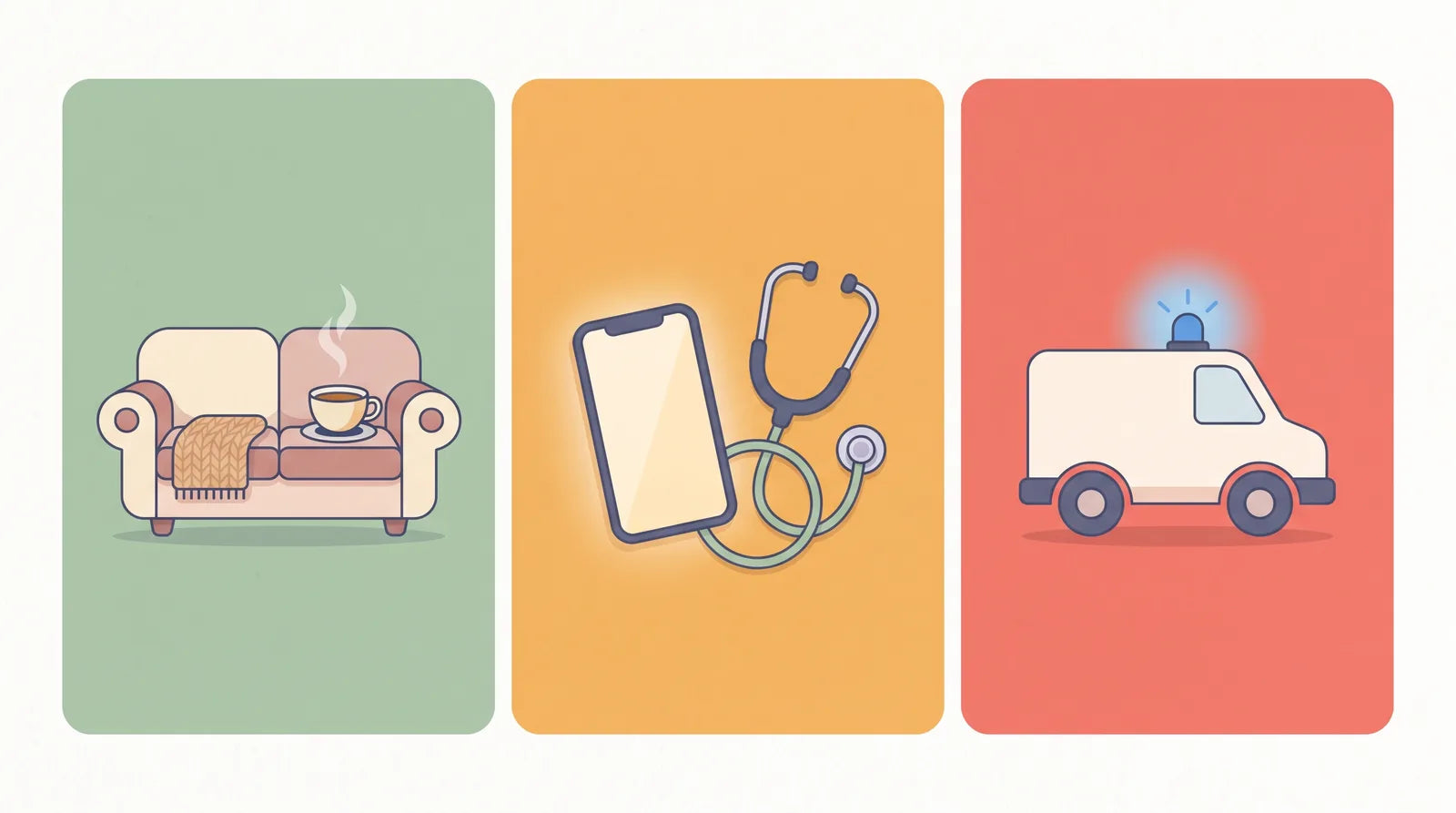
Stop Zepbound and call 911 if you have signs of a serious allergic reaction, such as swelling of the face, lips, tongue, or throat, or trouble breathing. Stop Zepbound and call your prescriber right away for severe stomach pain that will not go away. Call the same day if you cannot keep fluids down or have dark or very little urine.
The warning signs below come from the Zepbound label and Medication Guide; the low blood sugar steps follow American Diabetes Association guidance. How fast to act is our editorial guidance, not label wording. When in doubt, call your prescriber, or 911 in an emergency. This table does not replace medical advice.
| Situation | What to do |
|---|---|
| Mild nausea, occasional loose stools, mild constipation, burping, mild fatigue, or mild redness at the injection site | Try smaller meals, fluids, and rest. If it bothers you or does not go away, call your prescriber rather than waiting for your next visit |
| Nausea, vomiting, or diarrhea that does not go away or stops you from keeping fluids down; dark urine or little urine; dizziness on standing | Call your prescriber right away (same day) |
| No bowel movement for several days with bloating or discomfort | Call your prescriber |
| No bowel movement plus vomiting, a swollen belly, severe cramping, or being unable to pass gas | Seek emergency care |
| Severe stomach pain that will not go away, with or without nausea or vomiting, possibly spreading to your back | Stop Zepbound and call your prescriber right away. If you cannot reach them quickly, go to the emergency room |
| Any one of these: pain in your upper stomach, fever, yellow skin or eyes, or clay-colored stools | Call your prescriber right away. Go to the emergency room if the pain is severe |
| Swelling of the face, lips, tongue, or throat; problems breathing or swallowing; fainting or feeling dizzy; very rapid heartbeat; severe rash or itching | Stop Zepbound and call 911 |
| Shakiness, sweating, confusion, fast heartbeat, dizziness, or sudden hunger, especially if you also take insulin or a sulfonylurea | If you have a glucose meter, check it. If it reads below 70 mg/dL, or you cannot check, take 15 g of fast-acting carbohydrate (for example, 4 oz of juice or regular soda), recheck in 15 minutes, and repeat if still below 70. Then call your prescriber. Call 911 if the person faints, has a seizure, or cannot swallow |
| A lump or swelling in your neck, hoarseness that does not go away, trouble swallowing, or ongoing shortness of breath | Call your prescriber. For sudden or severe trouble breathing, call 911 |
| A positive pregnancy test | Stop Zepbound and call your prescriber |
| Planning a pregnancy, or an upcoming surgery or procedure with anesthesia or sedation | Tell your prescriber and every doctor or dentist involved, well in advance |
| Changes in vision if you have type 2 diabetes | Call your prescriber |
| Sudden loss of vision in one or both eyes | Seek emergency care |
Long-Term Side Effects and Stopping Zepbound
Three years of trial data show no new safety signals for Zepbound. In the SURMOUNT-1 extension in adults with obesity or overweight and prediabetes (NEJM, 2024), researchers reported no new safety signals with tirzepatide, and stomach side effects stayed concentrated in the first 20 weeks. The label's postmarketing section also lists rare problems such as ileus and intestinal obstruction.
The longest trials still run for a few years at most. Long-term questions, such as cancer risk in humans, remain under study. The thyroid warning stays in place because rat data showed tumors.
What happens when you stop
The SURMOUNT-4 trial tested stopping. After 36 weeks on tirzepatide, people switched to placebo saw their weight rise by 14.0% between week 36 and week 88, while people who stayed on the drug lost another 5.5%. Our page on the Zepbound maintenance dose explains the options after you reach your goal.
Stomach side effects became less common in both groups after week 36. Among people switched to placebo, nausea, diarrhea, and vomiting fell to between 1% and 5%; among those who stayed on tirzepatide, they were between 5% and 11%. Talk to your prescriber before stopping, and plan how you will maintain your weight.
How to Reduce Zepbound Side Effects
To reduce Zepbound side effects, eat small, regular meals instead of large ones, limit fatty and very high-fiber foods in the first days of treatment, drink enough fluids through the day, keep alcohol to a minimum, and ask your prescriber about a lower maintenance dose if symptoms persist. The meal, fluid, and alcohol steps come from the 2025 joint nutrition advisory from four nutrition and obesity societies (ACLM, ASN, OMA, and TOS). The lower-dose option comes from the Zepbound FDA label.
Eat smaller, protein-first meals
- Eat a small breakfast, then small meals every 3 to 4 hours
- Eat the protein part of each meal first, so it still fits if you fill up quickly (a practical tip, not a trial rule)
- Stop eating when you feel full, as the SURMOUNT trial instructions advised
- Avoid large, fatty, or fried meals, especially after a dose increase
Hit a protein target
The advisory reports proposed protein intakes of 1.2 to 1.6 grams per kilogram of body weight per day during active weight loss. It also warns that, for people with obesity, using your actual weight can significantly overestimate protein needs, so some clinical guidance uses an adjusted or ideal body weight instead. A simpler absolute target is 80 to 120 grams per day, and the advisory advises against staying above 2 g/kg per day for long periods. If you have kidney disease, ask your clinician which protein target is safe for you. Enough protein helps protect lean mass while you lose fat.
Small appetites make this hard. Protein-dense foods, such as Greek yogurt, eggs, fish, chicken, tofu, and cottage cheese, deliver more protein per bite.
Our guide: The Complete System from womensglp1guide.com. If 80 to 120 grams of protein a day feels impossible when you can only manage a few bites, this guide turns the target into small, protein-first meals:
- 30 recipes with 14 to 36 g of protein per serving
- A protein calculator (spreadsheet) that sets your daily number
- A 7-day gentle week meal plan and 10 printable trackers
See what's inside The Complete System
Stay hydrated
Dehydration worsens headache, dizziness, fatigue, and constipation. It also raises the risk of kidney injury. Sip water through the day, and add electrolytes when you have vomiting or diarrhea.
Add strength training
The advisory recommends strength training at least 3 times per week, plus at least 150 minutes of moderate aerobic activity. Resistance work helps preserve muscle during weight loss.
Watch your nutrients
Nutrient deficiencies become more likely below about 1,200 calories a day for women and 1,800 for men, according to the advisory. It suggests considering supplements for vitamin D, calcium, and B12. Our page on GLP-1 supplements explains which products have human evidence and which are marketing. In one large insurance-claims study of adults who started GLP-1 medicines such as dulaglutide, semaglutide, or liraglutide between 2017 and 2021 (most had type 2 diabetes, and tirzepatide was not yet available), 22.4% had a new deficiency diagnosis within 12 months, most often vitamin D. The study was funded by Abbott, which sells nutrition products. Ask your clinician about lab checks.
Work with your prescriber on dosing
The label allows a lower maintenance dose if you cannot tolerate your current dose. Trial protocols allowed skipping one weekly dose or stepping the dose down to manage stomach side effects. If you have read about going below the label dose, our page on microdosing tirzepatide explains what the evidence shows. Never change your dose on your own.
Zepbound vs Wegovy, Ozempic, and Mounjaro Side Effects
Zepbound vs Mounjaro: Both contain tirzepatide, so they share the same types of side effects, the same boxed warning, and the same birth control pill advice. Reported rates differ because the trials enrolled different people: in Mounjaro's type 2 diabetes trials, nausea affected 12% to 18% of people, vs 25% to 29% in Zepbound's weight-loss trials. Mounjaro treats type 2 diabetes, while Zepbound treats weight and sleep apnea. See our full Zepbound vs Mounjaro comparison.
Zepbound vs Wegovy and Ozempic: Wegovy and Ozempic contain semaglutide. Wegovy also comes as a once-daily tablet; see how to take the Wegovy pill. The SURMOUNT-5 trial compared tirzepatide with semaglutide for weight loss over 72 weeks. Side effect rates looked similar overall, with a few differences:
| Side effect | Tirzepatide (Zepbound) | Semaglutide (Wegovy) |
|---|---|---|
| Nausea | 43.6% | 44.4% |
| Diarrhea | 23.5% | 23.4% |
| Constipation | 27.0% | 28.5% |
| Vomiting | 15.0% | 21.3% |
| Heartburn (GERD) | 6.1% | 10.6% |
| Burping | 9.9% | 7.7% |
| Injection site reactions | 8.6% | 0.3% |
| Hair loss | 8.3% | 6.1% |
Source: SURMOUNT-5 results, ClinicalTrials.gov NCT05822830.
Eli Lilly notes the trial was not designed to compare side effects, so treat these differences with care. One label difference matters for women: the oral birth control warning appears on Zepbound's label but not on Wegovy's. For the full picture, read Wegovy vs Zepbound.
Zepbound vs Foundayo: Foundayo (orforglipron) is a once-daily Lilly pill, not a form of tirzepatide. Our Foundayo vs Zepbound comparison sets their side effect rates side by side.
What Not to Do on Zepbound
The label and Medication Guide point to a few clear rules:
- Do not combine Zepbound with other tirzepatide products or any other GLP-1 medicine (including compounded tirzepatide)
- Do not use it with a personal or family history of MTC or MEN 2
- Do not use it if you have had a serious allergic reaction to tirzepatide or any ingredient in Zepbound
- Tell your prescriber if you have severe gastroparesis (very slow stomach emptying); the label does not recommend Zepbound in that case
- Do not take two doses within 3 days (72 hours) of each other
- Do not share pens or needles, and never share a KwikPen, even with a new needle
- Do not inject into a vein or muscle
- Do not use a pen or vial that has been frozen
- Do not skip telling your care team before surgery or sedation
- Do not rely on birth control pills alone for 4 weeks after starting Zepbound and for 4 weeks after each dose increase
- Do not ignore severe stomach pain, signs of dehydration, or allergic symptoms
A missed dose can be taken within 4 days (96 hours). After that, skip it and take the next dose on your usual day. If you use the multi-dose pen, our Zepbound KwikPen guide walks through each step.
The Bottom Line
Zepbound side effects are common but usually manageable. Keep these points in mind:
- Digestive symptoms dominate. Nausea, diarrhea, vomiting, and constipation lead the list, and they peak around dose increases.
- Most people continue treatment. Only 4.8% to 6.7% stopped because of side effects in the label trials.
- Some risks need fast action. Severe stomach pain, dehydration, allergic reactions, and gallbladder symptoms need prompt care.
- Food and fluids help. Smaller protein-first meals, steady hydration, and strength training make the first months easier.
If you want a ready-made plan for eating well with a small appetite, our guide, The Complete System, gives you 30 high-protein recipes, a protein calculator, and a 7-day gentle week. Track your symptoms, share them with your prescriber, and adjust together.
Frequently Asked Questions
What is the most common side effect of Zepbound?
Nausea. In the label's pooled trials, 25% to 29% of people on Zepbound reported nausea, compared with 8% on placebo.
How long do Zepbound side effects last?
Most nausea, vomiting, and diarrhea on Zepbound happened during dose increases and decreased over time, according to the FDA label, and only 4.8% to 6.7% of people stopped treatment because of side effects. No official median duration exists, so track your own pattern and tell your prescriber if a symptom lasts for weeks.
When do Zepbound side effects start?
Zepbound side effects usually start in the first weeks of treatment and are most common around dose increases. Tirzepatide reaches its peak blood level about 24 hours after a shot (range 8 to 72 hours), and some people notice symptoms most in the first day or two after an injection.
Do side effects get worse when you increase the dose?
Zepbound side effects can get worse after a dose increase. In the FDA label's trials, vomiting rose from 8% at 5 mg to 13% at 15 mg and diarrhea from 19% to 23%, while nausea leveled off above 10 mg. Symptoms often return briefly after each step up.
Is Zepbound safe?
The FDA approved Zepbound in November 2023 for adults with obesity, or with overweight and a weight-related health problem, to lose weight and keep it off. In December 2024, the FDA added moderate to severe obstructive sleep apnea in adults with obesity. In the label's two main weight trials, 2,519 adults took Zepbound for up to 72 weeks. Stomach side effects were the most common, and 4.8% to 6.7% stopped because of side effects, vs 3.4% on placebo. It carries a boxed warning for thyroid C-cell tumors. Do not use it if you or a family member has had medullary thyroid carcinoma (MTC), if you have MEN 2, or if you have had a serious allergic reaction to tirzepatide. The label also says to stop it once a pregnancy is recognized.
Does Zepbound cause hair loss?
Hair loss affected 4% to 5% of people on Zepbound vs 1% on placebo. It was more common in women (7.1%) than men (0.5%), and the label links it to weight reduction.
Does Zepbound make you tired?
Fatigue affected 5% to 7% of people on Zepbound, vs 3% on placebo. Low food intake, low protein, and dehydration can add to it.
Does Zepbound affect birth control?
Yes, for birth control pills. The Zepbound label advises switching to a non-oral method, or adding a barrier method, for 4 weeks after starting Zepbound and for 4 weeks after each dose increase. Patches, rings, IUDs, and implants should not be affected.
Can you drink alcohol on Zepbound?
The label sets no specific alcohol rule, but the 2025 nutrition advisory says alcohol can worsen nausea and reflux and should be minimized.
Is Zepbound safer than Ozempic?
Neither is clearly safer. No trial has tested the Zepbound brand against Ozempic, but the SURPASS-2 trial compared tirzepatide (Zepbound's active ingredient) with semaglutide 1 mg (an Ozempic dose) for 40 weeks in adults with type 2 diabetes. Stomach side effects were similar: nausea 17% to 22% vs 18%, diarrhea 13% to 16% vs 12%, and vomiting 6% to 10% vs 8%. Serious adverse events were reported in 5% to 7% on tirzepatide vs 3% on semaglutide. In SURMOUNT-5, against Wegovy's semaglutide dose, vomiting and heartburn were numerically less common and injection site reactions more common with tirzepatide, but that trial was not designed to compare side effects.
What are the long-term side effects of Zepbound?
Three years of SURMOUNT-1 follow-up in adults with obesity and prediabetes showed no new safety signals, with stomach side effects concentrated in the first 20 weeks. The label links gallbladder problems to weight reduction, and whether Zepbound causes thyroid tumors in humans remains unknown. Weight lost on tirzepatide also includes some lean mass (about 25% in a small SURMOUNT-1 body scan substudy), which is why protein and strength training matter.
What should I do if I miss a dose?
Take it within 4 days (96 hours). If more time has passed, skip the missed dose and resume your regular schedule.
How long does Zepbound stay in your system?
Tirzepatide, the active ingredient in Zepbound, has an elimination half-life of about 5 to 6 days in people with obesity, according to the FDA label. A drug is usually considered almost fully cleared after about five half-lives, so most tirzepatide leaves the body roughly 25 to 30 days after the last dose. This is an estimate; the label gives no exact clearance time.
Does Zepbound affect a woman's hormones?
Zepbound works on two gut-hormone receptors, GIP and GLP-1. The FDA label does not mention changes in women's natural estrogen or progesterone levels. It does say Zepbound may make birth control pills less effective, so women who take the pill should switch to a non-oral method or add a barrier method for 4 weeks after starting and for 4 weeks after each dose increase.
Can you stop taking Zepbound cold turkey?
The Zepbound label gives no tapering schedule. In the SURMOUNT-4 trial, people switched straight from tirzepatide to placebo saw their weight rise by 14.0% between week 36 and week 88. Talk to your prescriber before stopping, and plan how you will maintain your weight.
What medications should not be taken with Zepbound?
The Zepbound label says not to combine it with other tirzepatide products, such as Mounjaro, or with any other GLP-1 medicine. It advises considering lower doses of insulin or sulfonylureas to reduce the risk of low blood sugar, and caution with oral medicines, because Zepbound slows stomach emptying. If you take birth control pills, use a non-oral method or add a barrier method for 4 weeks after starting and after each dose increase. Tell your prescriber about every medicine you take.
References
- Zepbound (tirzepatide) Prescribing Information, revised 08/2026. Eli Lilly
- Zepbound Medication Guide, revised 08/2026. Eli Lilly
- Zepbound label on DailyMed. U.S. National Library of Medicine
- FDA requests removal of suicidal behavior and ideation warning from GLP-1 medicines. FDA Drug Safety Communication, January 2026
- Tirzepatide for obesity treatment and diabetes prevention (SURMOUNT-1, 3-year). NEJM, 2024
- Continued treatment with tirzepatide for maintenance of weight reduction (SURMOUNT-4). JAMA, 2024
- SURMOUNT-5: tirzepatide vs semaglutide, results. ClinicalTrials.gov NCT05822830
- Gastrointestinal adverse events with tirzepatide in SURMOUNT-1 to -4. Diabetes, Obesity and Metabolism, 2025
- Body composition with tirzepatide (SURMOUNT-1 DXA substudy). Diabetes, Obesity and Metabolism, 2025
- Nutritional priorities to support GLP-1 therapy for obesity: joint advisory from ACLM, ASN, OMA, and TOS. 2025
- Nutritional deficiencies and muscle loss in adults with type 2 diabetes using GLP-1 receptor agonists. Obesity Pillars, 2025
- Zepbound Product Monograph. Eli Lilly Canada, 2026
- openFDA drug adverse event API and disclaimer. FDA (accessed September 23, 2026)
- openFDA query used for this analysis (Zepbound suspect-only reports) (run September 23, 2026; openFDA update of July 30, 2026)
- FDA Adverse Event Monitoring System (AEMS), formerly FAERS. FDA
- Safety Profile of Tirzepatide in Real-World Clinical Practice: A Pharmacovigilance Study Using the FAERS Database. Diabetes, Obesity and Metabolism, 2026
- Analysis of tirzepatide in the US FDA adverse event reporting system (FAERS): a focus on overall patient population and sex-specific subgroups. Frontiers in Pharmacology, 2024
- Tirzepatide versus Semaglutide Once Weekly in Patients with Type 2 Diabetes (SURPASS-2). NEJM, 2021
- Association of Glucagon-Like Peptide-1 Receptor Agonists With Menstrual Events in Reproductive-Aged Patients. Obstetrics & Gynecology, 2026
- Adverse Events Associated with Tirzepatide: Updated Pharmacovigilance Analysis Using FAERS (2022 Q1-2025 Q1) with an Adapted Time-to-Onset Method. Drug, Healthcare and Patient Safety, 2026
- Not All GLP-1 Receptor Agonists Are Alike: Real-World Evidence of Differential Endocrine and Dermatologic Safety. Diabetes/Metabolism Research and Reviews, 2026
- Do you have hair loss or hair shedding? American Academy of Dermatology
- Hypoglycemia (low blood glucose). American Diabetes Association
- Zepbound (NDA 217806) approval history. Drugs@FDA
This article is for education only and is not medical advice. It summarizes the FDA label and published research. Talk to your prescriber about your symptoms and your dose. Read our full medical disclaimer.